Keira Shot

Through the Lens: Unconventional Uses of Photography Gear

In the world of photography, equipment serves as the artist’s brush, enabling them to paint with light and capture moments in time. However, what if we told you that these tools can transcend their traditional roles? Imagine a tripod not just for stabilizing your camera but also as a makeshift light stand for impromptu portrait sessions in unconventional locations. Or how about using a prime lens not only for its sharpness but also as a makeshift magnifying glass for capturing intricate details in nature? The possibilities are endless when you start thinking outside the box.

One of the most underrated photography accessories is the humble reflector. While its primary function is to bounce light onto your subject, it can also double as a makeshift backdrop for macro photography or even as a wind blocker during outdoor shoots. Who knew that a simple piece of circular fabric could have so many creative applications?

Another piece of equipment that often gets overlooked is the camera bag. Sure, it’s great for carrying your gear, but have you ever considered using it as a makeshift stabilizer by resting it on a flat surface for long exposure shots? With a bit of creativity, even the most mundane photography gear can be repurposed to enhance your creative vision.

Photography is all about perspective, and by looking at your equipment in a new light, you can unlock a world of possibilities. So next time you’re out shooting, don’t be afraid to experiment and push the boundaries of what your gear can do. Who knows, you might just discover a new way to capture the world through your lens.

Eco-Friendly Photography Gear: Embracing Sustainable Practices in the Digital Age

As the importance of sustainability and environmental conservation grows, photographers are increasingly seeking eco-friendly alternatives when it comes to their gear and equipment choices. Embracing sustainable practices in photography not only reduces your carbon footprint but also promotes a greener and more ethical approach to the art form.

One of the key areas where photographers can make a difference is in their choice of camera bodies and lenses. Opting for models made from recycled materials or supporting brands that prioritize sustainability in their manufacturing processes can have a positive impact on the environment.

In addition to cameras, accessories such as camera straps, bags, and tripods are now being produced using eco-friendly materials like organic cotton, hemp, or recycled plastics. These products not only reduce waste but also promote fair trade practices and support local artisans.

When it comes to lighting, LED panels are an energy-efficient and eco-friendly alternative to traditional lighting setups. Not only do they consume less power, but they also produce less heat, making them a sustainable choice for photographers looking to minimize their environmental impact.

By embracing eco-friendly photography gear and equipment, you can align your passion for photography with your commitment to environmental stewardship. Making small changes in your gear choices can lead to a big impact on the planet, ensuring that future generations can continue to enjoy the beauty of the natural world through the art of photography.

Capturing Moments on a Budget: Affordable Photography Equipment Essentials

In the world of photography, equipment plays a crucial role in capturing stunning images. While top-of-the-line gear can come with a hefty price tag, there are plenty of budget-friendly options available that can help you kickstart your photography journey without breaking the bank.

When it comes to cameras, entry-level DSLRs or mirrorless cameras from brands like Canon, Nikon, or Sony offer excellent image quality and versatility at a fraction of the cost of professional-grade models. Pairing these cameras with a versatile kit lens or investing in a prime lens can significantly enhance the quality of your photos.

For those interested in landscape photography, a sturdy tripod is a must-have accessory that doesn’t have to cost a fortune. Look for lightweight yet durable options that provide stability for long exposure shots or capturing stunning vistas.

Lighting is another essential aspect of photography, and you can achieve professional-looking results with budget-friendly options like LED panels or softbox kits. Experimenting with different lighting setups can add depth and dimension to your images without breaking the bank.

Accessories such as memory cards, camera bags, and cleaning kits are often overlooked but are essential for maintaining your gear and protecting it from wear and tear. Opt for reputable brands that offer quality products at affordable prices.

Remember, great photography is not solely dependent on expensive equipment but on your creativity, vision, and ability to tell a compelling story through your images. By choosing the right budget-friendly gear and mastering your craft, you can capture breathtaking moments without draining your wallet.

Sustainable Focus: Eco-Friendly Photography Equipment Alternatives

As environmental consciousness continues to rise, photographers are increasingly seeking eco-friendly alternatives to traditional photography equipment. Whether you’re a seasoned professional or an enthusiastic beginner, making sustainable choices in your gear and workflow can have a meaningful impact on the planet. Fortunately, the photography industry is evolving, and a growing number of environmentally responsible products are now available for those who wish to reduce their carbon footprint without compromising on quality or creativity.

One of the most accessible shifts is upgrading to camera straps made from recycled materials such as repurposed plastic bottles or upcycled fabrics. These not only reduce waste but often come in stylish, durable designs that rival traditional options. For those concerned about animal welfare, vegan leather and organic cotton straps offer ethical, sustainable alternatives that maintain comfort and performance.

Another increasingly popular solution is the use of solar-powered battery chargers. These devices harness renewable energy to keep your gear running, especially useful for outdoor and travel photographers who spend long hours away from conventional power sources. By reducing dependence on disposable batteries and traditional electricity, solar options support a cleaner, more self-sufficient workflow.

Imagine enhancing your photography kit with accessories made from biodegradable or sustainably sourced materials—such as lens hoods crafted from bamboo or wood harvested from responsibly managed forests. Some emerging companies now offer camera grips, tripod parts, and even lens barrels made with eco-friendly composites, proving that sustainability and functionality can go hand-in-hand.

Opting for refurbished or second-hand gear is another powerful way to contribute to a greener practice. Buying pre-owned cameras, lenses, and accessories extends the lifespan of equipment, minimizes e-waste, and decreases the demand for raw materials used in manufacturing. It’s a win-win: you save money while supporting a circular economy.

In addition, renting gear for specific shoots instead of purchasing new items for occasional use can significantly reduce resource consumption. Many photography rental services now promote sustainability as part of their mission, ensuring well-maintained gear is reused by multiple creatives over time.

Packaging and shipping also matter. Supporting brands that use recyclable, compostable, or minimal packaging helps reduce waste from the moment your gear arrives. And if you’re selling prints, consider using recycled paper or eco-certified photo paper, and encourage your clients to choose frames made from reclaimed wood or environmentally friendly materials.

Ultimately, embracing eco-friendly photography equipment isn’t just about checking a box—it’s about aligning your artistic vision with a deeper purpose. As someone who captures the world through a lens, you have the power to reflect not just its beauty but also your commitment to preserving it.

By incorporating sustainable tools and practices into your photography journey, you not only enhance your connection to the natural world but also inspire others in your creative community to do the same. So take the leap—explore the growing world of eco-conscious photography gear, make mindful choices, and be part of the movement towards a greener, more responsible future in photography.

Capturing Moments: The Psychology Behind Photography Equipment Choices

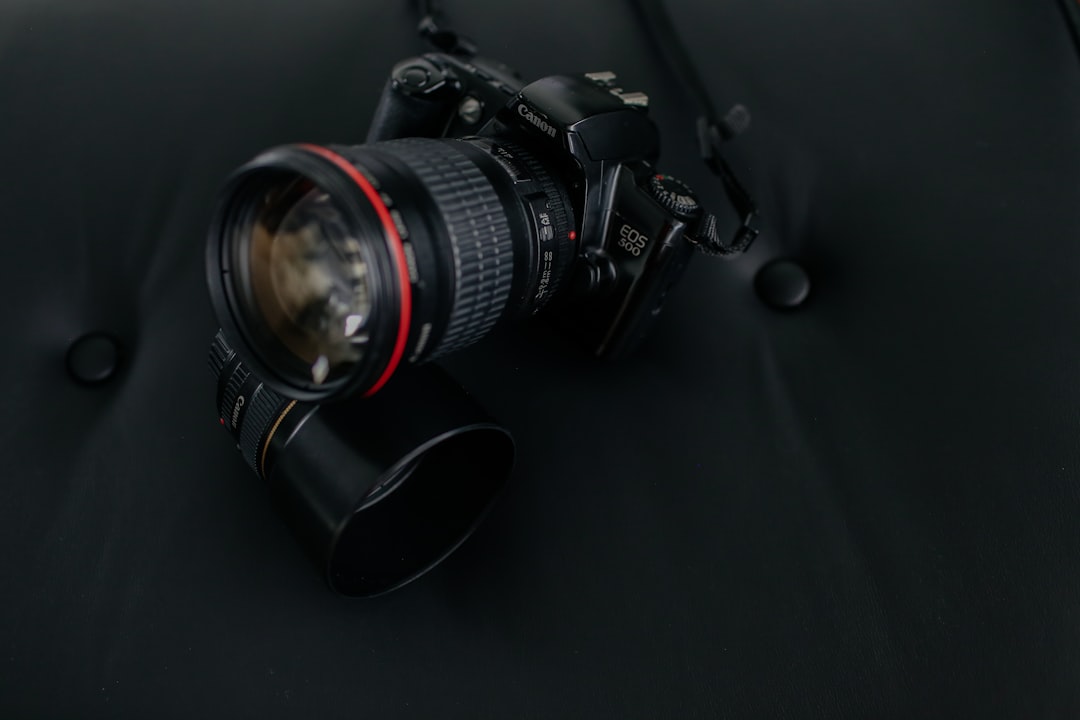
The camera is far more than a mere device—it is an extension of the photographer’s eye, a channel through which personal vision, emotion, and creativity come to life. Every piece of gear we select, from the camera body to the smallest accessory, is a subtle yet powerful statement about who we are as artists and how we perceive the world.

The psychology behind photography equipment choices offers fascinating insight into the deeper layers of a photographer’s identity. These decisions are rarely just about functionality or cost—they’re often rooted in subconscious desires, aesthetic leanings, and emotional connections. The gear we choose can mirror our personalities: some are drawn to the minimalist elegance and cutting-edge features of modern mirrorless systems, while others find comfort and authenticity in the tactile nature and nostalgic charm of vintage film cameras. Each choice is a whisper of the photographer’s internal landscape.

Photographers who gravitate toward analog film often express a longing for intentionality, slowness, and imperfection. Shooting with film requires patience, care, and an appreciation for the unpredictable—a mindset that values process over convenience. On the other hand, those who prefer high-performance digital systems may thrive on precision, control, and the ability to adapt quickly to diverse conditions, reflecting a desire to capture fleeting moments with sharp clarity.

Even lens choices reveal psychological nuance. A preference for prime lenses may suggest a commitment to simplicity and composition discipline, encouraging the photographer to move, engage, and frame with intention. Those who rely on zoom lenses might prioritize versatility and spontaneity, seeking to respond quickly to the world as it unfolds. Meanwhile, macro photographers may demonstrate a fascination with detail and a deep appreciation for the hidden beauty in overlooked subjects.

Through the Lens: Unconventional Photography Equipment Hacks

In the world of photography, creativity truly knows no bounds. While traditional lenses, tripods, and lighting setups are essential tools, there’s an exciting realm of unconventional equipment hacks waiting to be explored—innovative tricks that can transform your images and push your artistic boundaries. These DIY techniques not only help you save money but also add a distinctive character and originality to your work that can’t be replicated with standard gear.

Imagine holding a simple magnifying glass in front of your camera lens to capture astonishing macro shots without investing in an expensive macro lens. The magnifying glass bends and enlarges tiny details in nature, textures, or everyday objects, unveiling a hidden world often missed by the naked eye. Or picture using a prism, a small piece of crystal, to refract light into stunning rainbows and kaleidoscopic patterns that dance across your photos, infusing them with magic and wonder.

Unconventional hacks go beyond optics too. Old camera parts, like gears, film reels, or broken shutter mechanisms, can be repurposed into intricate sculptures or mixed-media art projects, allowing you to express your passion for photography in three dimensions. Even inexpensive household items—sheer fabrics, spray bottles, mirrors, or flashlights—can become invaluable tools to manipulate light, soften harsh shadows, or add whimsical effects, breathing life into your compositions.

By embracing these unconventional tools and methods, you tap into a wellspring of innovation, freeing yourself from the limitations of standard equipment. This spirit of experimentation often leads to surprising discoveries, encouraging you to see the world—and your craft—in new and exciting ways. It cultivates a mindset where resourcefulness meets artistry, showing that the most captivating images often come from simple ideas and bold creativity.

So next time you’re behind the lens, challenge yourself to think outside the box. Explore the endless potential of everyday objects, old gear, and creative hacks to elevate your photography game. Turn ordinary shots into extraordinary masterpieces, and let your unique artistic voice shine through every frame.

Unconventional Uses of Photography Equipment: Think Outside the Frame

In the world of photography, creativity knows no bounds. While cameras and lenses are the obvious tools of the trade, there are countless ways to repurpose photography equipment in unconventional ways that can spark new inspiration and innovation.

Have you ever considered using a camera lens as a makeshift magnifying glass for detailed close-up shots of nature? Or how about turning your camera strap into a makeshift tripod by stabilizing it against a solid surface? These are just a few examples of how you can think outside the frame and get more out of your photography gear.

One particularly inventive use of photography equipment is using a reflector as a makeshift light diffuser for soft, flattering portraits. By positioning the reflector between your subject and a harsh light source, you can achieve a beautifully diffused light that enhances skin tones and reduces harsh shadows. This simple hack can elevate your portrait photography to the next level.

Another unconventional use of photography equipment is repurposing old camera bodies as decorative pieces or even functional items. Imagine turning an old film camera into a unique desk lamp or a vintage shelf display. Not only does this breathe new life into outdated gear, but it also adds a touch of nostalgia and character to your living space.

For those looking to add a personal touch to their photography equipment, DIY customization is a fun and rewarding option. From custom camera straps to hand-painted lens caps, there are endless ways to personalize your gear and make it uniquely yours. Not only does this add a sense of ownership and pride to your equipment, but it also serves as a conversation starter and a reflection of your creative personality.

So, next time you find yourself in a creative rut or looking to inject new life into your photography practice, consider exploring the unconventional uses of photography equipment. Whether it’s repurposing old gear, thinking outside the frame, or customizing your tools, there are endless possibilities waiting to be discovered. Embrace experimentation, embrace creativity, and let your photography equipment inspire you in ways you never imagined.

Unconventional Photography Gear: Think Beyond the Lens

Photography is an art form that transcends traditional boundaries. While cameras and lenses are essential tools for any photographer, there is a world of unconventional gear waiting to be explored. From using prisms to create unique light effects to utilizing household items for creative compositions, the possibilities are endless.

One of the most underrated pieces of photography equipment is the humble reflector. While commonly used to bounce light onto a subject, reflectors can also be used as makeshift backgrounds or to create interesting reflections. By playing with angles and colors, you can add depth and dimension to your images without breaking the bank.

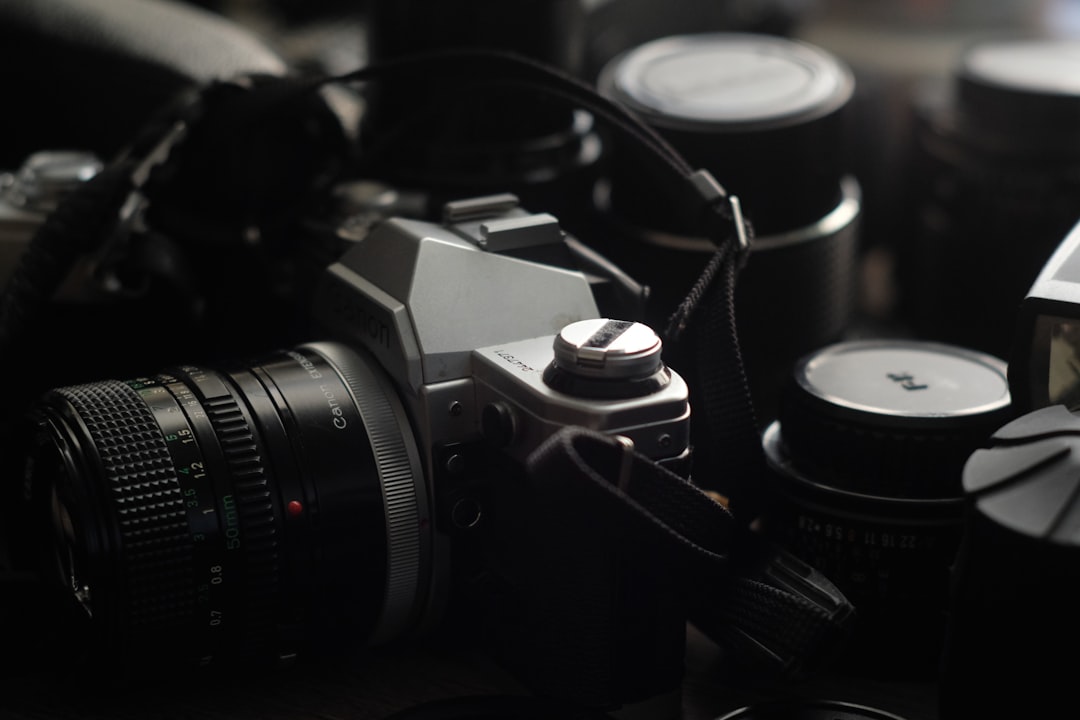
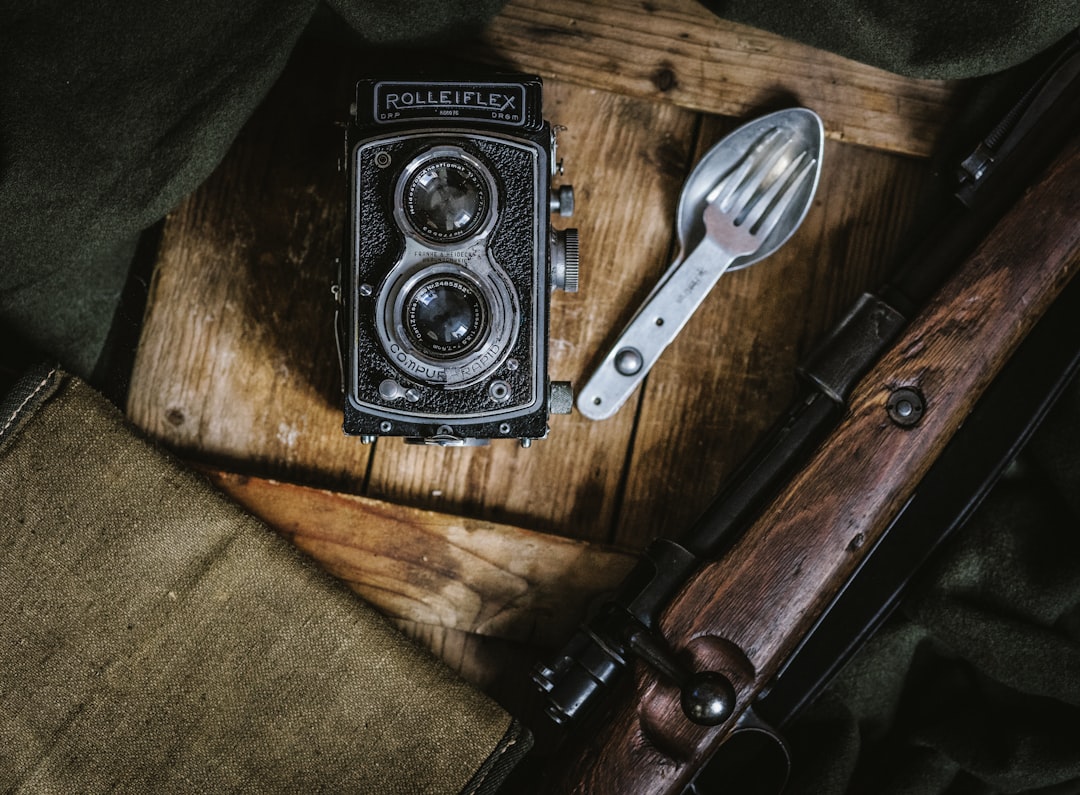
For those looking to add a touch of nostalgia to their photos, consider dusting off an old film camera. Film photography has seen a resurgence in recent years, with many photographers drawn to the tactile experience and unique aesthetic it offers. Experimenting with different film stocks and developing techniques can result in stunning, one-of-a-kind images.

If you’re on a tight budget, don’t underestimate the power of DIY photography gear. From creating your own light modifiers using household items to building a camera stabilizer out of PVC pipe, there are plenty of cost-effective solutions available. Not only can DIY gear save you money, but it can also spark your creativity and push you to think outside the box.

In a world where consumerism often drives our purchasing decisions, it’s refreshing to consider the environmental impact of our photography gear. Opting for eco-friendly alternatives, such as rechargeable batteries and sustainably sourced camera bags, can help reduce your carbon footprint and support ethical practices within the industry.

Ultimately, photography is about more than the gear you use—it’s about the stories you tell and the emotions you capture. So next time you’re out shooting, take a moment to look beyond your lens and explore the endless possibilities that unconventional photography gear has to offer.